


FUTURE
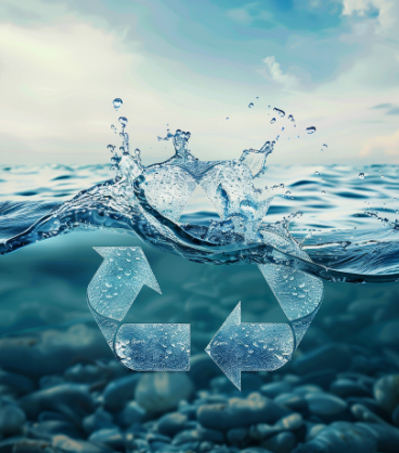

Water Recycling
Water recycling, also known as water reclamation, involves the process of treating wastewater and turning it into reusable water. This process helps to reduce the demand for freshwater, conserving vital resources while promoting sustainability. Water recycling plays an important role in addressing water scarcity, especially in areas where freshwater is limited or where large amounts of water are needed for industrial, agricultural, or municipal purposes.
Through various methods like filtration, biological treatment, and chemical processes, water can be purified to meet the standards for various uses, including irrigation, industrial processes, and even potable water in some cases. This approach not only reduces waste and minimizes the environmental impact of water consumption but also contributes to a more sustainable, circular economy.
Advanced water recycling systems often include innovative technologies like reverse osmosis, membrane filtration, and ultraviolet (UV) disinfection, providing a clean and reliable source of water that can be used for various applications without depleting natural freshwater sources. In addition to minimizing water wastage, water recycling reduces the strain on ecosystems, helps prevent water pollution, and reduces energy consumption by utilizing existing infrastructure and systems.
Water recycling systems are crucial for a resilient, sustainable future and offer a powerful way to help safeguard the environment, mitigate water scarcity, and support sustainable development